
Over the last fifteen years, FarmEco has turned 60.2 acres of agricultural land near Screveton, Nottinghamshire, into a thriving, multi-layered habitat. By integrating food production with ecological restoration, the site has become one of the UK’s leading examples of productive, nature-rich agroforestry.
1Key Biodiversity Highlights
- Rich Habitat Mosaic: The estate features 51.4 acres of agroforestry and silvo-pasture, 3 acres of horticulture and coppice, and 5.6 acres of woodland. Notably, this woodland includes an experimental rapid-growth Miyawaki “boom forest”.
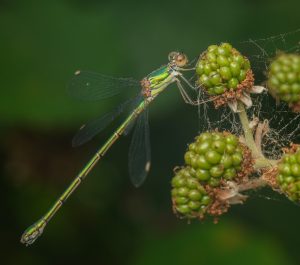
- Thriving Bird Populations: Standardised surveys carried out by ecologist Mike Reid since 2010 show a substantial increase in bird numbers and different species. Moreover, these surveys reveal exceptionally high levels of seasonal diversity.
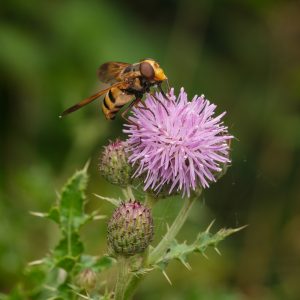
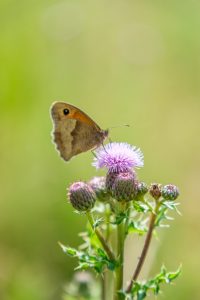
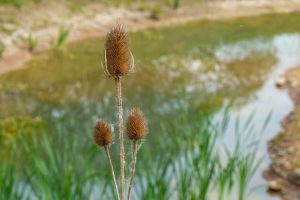
- Diverse Wild Flora: A botanical survey identified 97 species of wild flowering plants, including cowslips, red clover, and yellow rattle. These plants support a wide range of pollinating insects and boost ecosystem resilience.
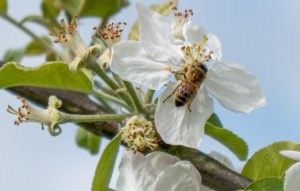
- Grounded in Scientific Research: Collaborations with institutions like the University of Reading and the Natural History Museum London have proven that FarmEco’s agroforestry system increases functional pollinator diversity and natural pest control. Furthermore, it manages to do this while keeping the farm profitable.
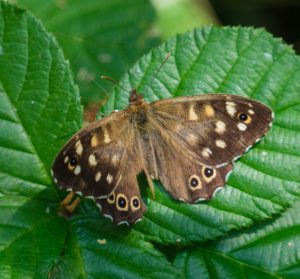
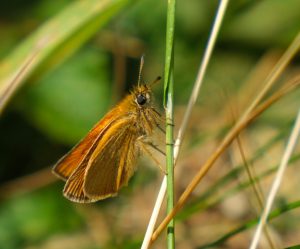
- Community-Led Citizen Science: Local volunteers, school groups, and families actively participate in seasonal land management, biodiversity workshops, and ongoing wildlife recording. They use iNaturalist to support their activities.
If you would like to get involved in nature conservation at the farm, contact us at info@farmeco.uk