Supporting Local Economies
There has been a lot of talk in the news recently about the need to scale up food production in the UK. If lack of fuel, or conflicts mean that food can’t be shipped or flown into the country, we will soon be struggling. Even within the UK, lack of fuel and power cuts will soon cripple distribution networks. The closer to your home you can access food that is actually grown or processed there, the better.
We are just learning how to grow and scale up our fruit, nuts and vegetables. As our customer base grows and our income increases, we will be more able to produce more food. We are already in a unique position of having many different types of fruit and nut trees maturing on the farm. If we were an industrial scale farm only growing beetroot or potatoes, we wouldn’t be that useful for our local community!
Buying local has many benefits; it keeps money circulating in the local economy, creates local jobs, security that food will be available nearby and there is visibility of how the farm produces the food.
Better value
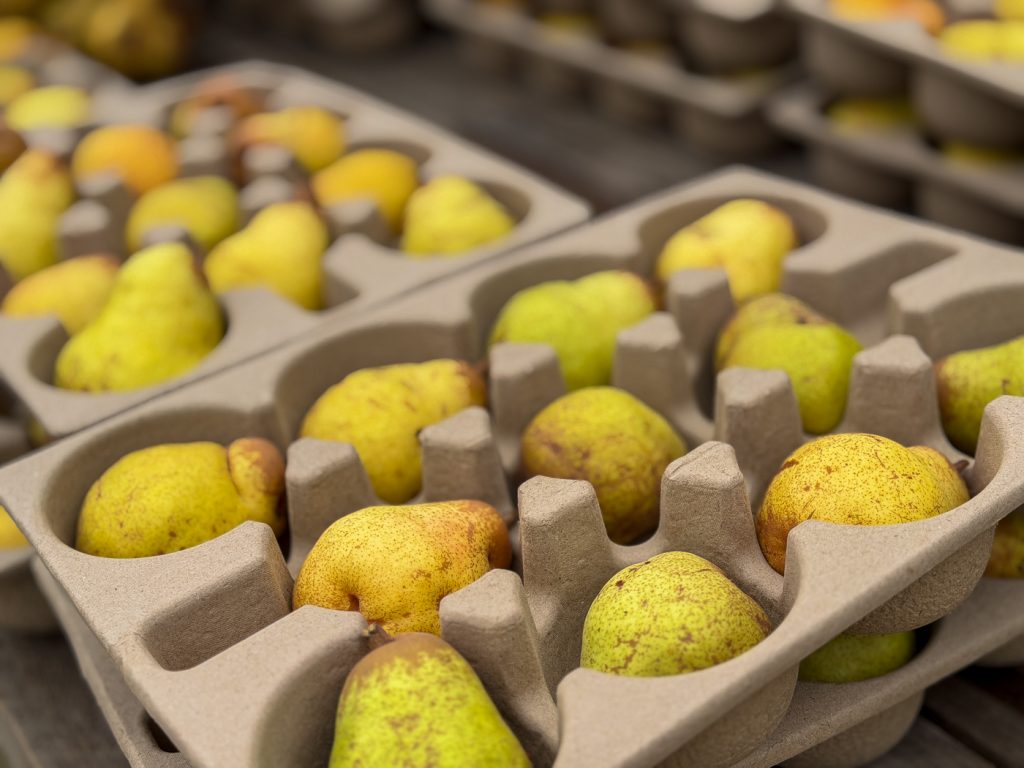
Buying direct from the farmer or producer cuts out the middle man. When we sell to a shop or wholesaler, we can only charge half of what they sell our products for. That is fair enough given that they have to pay themselves a salary and pay rent, electricity, business rates etc. However, if you buy straight from the farm, we can sell to you at a lower price than the shops. Meanwhile we receive a higher price than the shop keeper would pay us. This creates a win win situation.
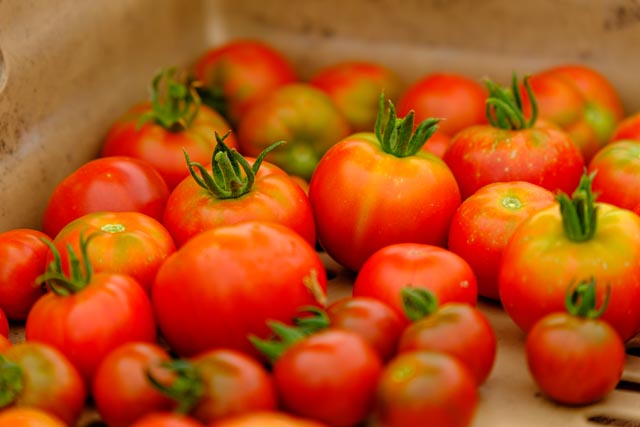
We believe that our produce is far better than what is available in the shops. For a similar price you are getting a better product. I am talking in terms of flavour, nutrition, positive social impact, low environmental impact and sustainability. A tomato (red, spherical object wrapped in plastic) is not a tomato (grown in living soil, ripened by the sun, full of flavour).
Enhanced Flavour and Freshness
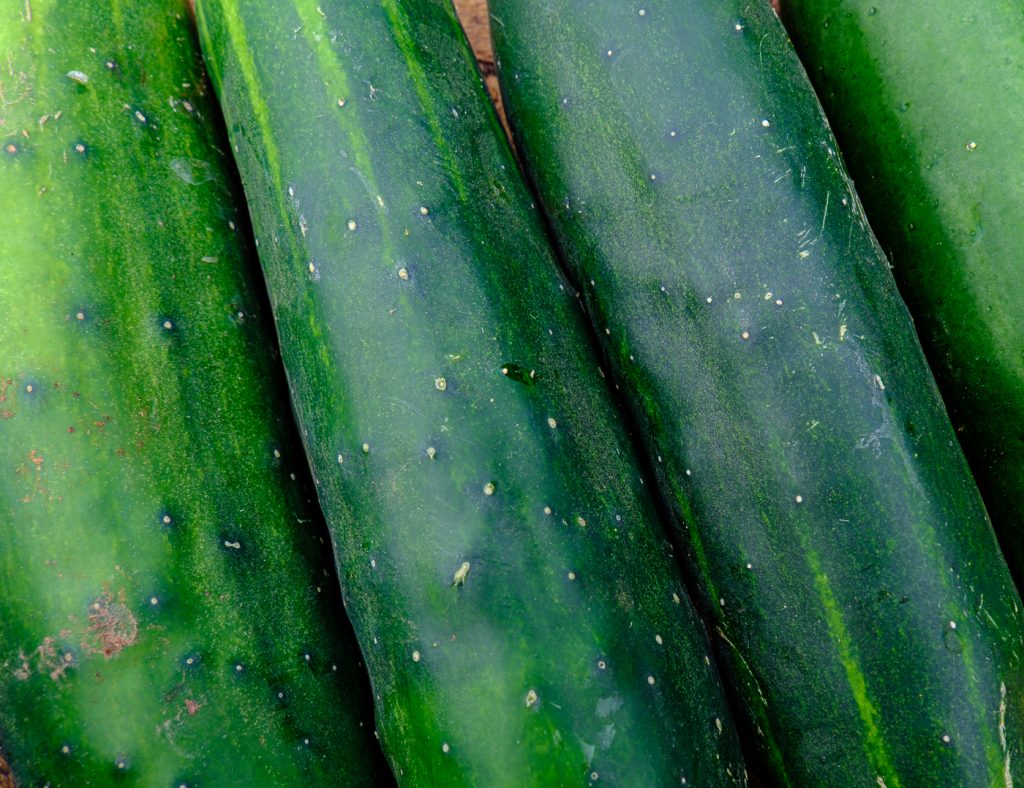
I think that nothing tastes better than a piece of fruit or vegetable picked straight from the plant, still warm from the sun, eaten in the field where it grew. If you buy straight from our Honesty Hut, you can be sure that the produce is fresh. We don’t have to pack our fruit in refrigerated lorries and fly it across the world. We don’t keep it stored for months so that people can have the same choice year round whether something is in season or not. Our fruit is available according to what is in season. Only a few of our crops storing well for more than a few weeks.
Most fruit and vegetables come in a huge range of cultivars. Supermarkets and industrial farmers generally grow ones that produce uniform looking produce that stores well and looks good on the shelves. Smaller farms, like ours, aim to grow varieties that have great flavour regardless of whether they are a bit misshapen according to the norms we have got used to. Studies suggest that fruit and vegetables which have more flavour are also likely to have greater nutritional content in them. A simple meal made with great ingredients tastes fantastic!
Connection with the land and farm
When you buy food from the supermarket, or even from larger veg box schemes or farmers’ markets, you don’t really have a clear idea of who grew your food or how it was grown. Labels such as “organic” or “Red Tractor” may sound good and give some reassurance, but you still don’t really know.
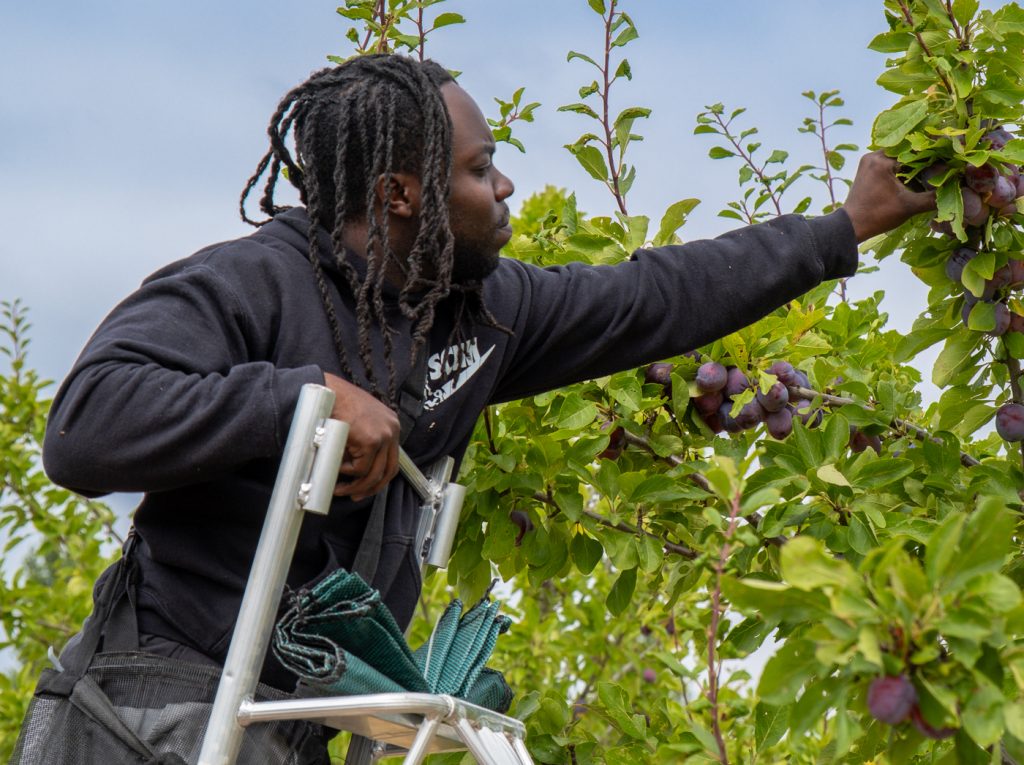
At FarmEco, we are happy to welcome our local community and customers onto the farm. You can come on a volunteer day and get first hand knowledge of how we grew our food. Or you can come to one of our Open Days or Farm Tours. Become a member and you suddenly have a real feeling of ownership over the food that is grown for you or by you.
As a CSA (community supported agriculture) project, we want to involve our local community in decisions about what we grow each season. Some crops might not suit our climate or soil, but many do. Buying from someone you know improves your feeling of belonging to the community. It reduces feelings of disconnect and loneliness that are so present in modern society.
Environmental Impact
We grow our food without any artificial fertilisers, pesticides or other industrial treatments. While other farmers are stressing about the price and availability of fertilisers, this problem has no impact on us at all. We are making our own compost with materials collected on the farm. We use our compost as well as sheep wool and sheep dung as soil enhancers. The team practices “no dig” as much as possible. This allows the soil life to regenerate. Healthy soil leads to stronger plants which are more disease resistant.
We also grow a great diversity of plants on the farm. This creates many different habitats which suit different birds, insects and animals. Having a functioning food web means that we have predators on site to eat potential pests and keep them under control. We accept that some of our crops might get nibbled, but we have enough to share with other species!
Our fruit and vegetables are all grown and harvested by hand, thanks to our team of volunteers. We pack our produce in paper bags which are recyclable. By selling most of our produce at the gate, we barely use any fuel; just for our antique tractor to move larger harvests from the field to the yard. In the future we hope to instal a fridge which will run off one solar panel. This will store our soft fruit for a bit longer than we can at present.