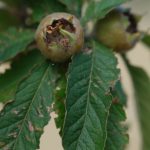
How to Make Medlar Pulp
Medlar pulp is the base for many great recipes including cakes, puddings or chutneys. It can be made in advance and frozen into 200g or 400g to defrost when needed.
Equipment
- Largest and widest pan you have
- - Potato masher
- - Jelly bag and frame
- - Heatproof bowl or jug
- - Coarse wire sieve
- - Sturdy bowl
- - Folded damp tea towel
Materials
- - Bletted and rinsed medlars
- - Water
Instructions
- Put the bletted and rinsed medlars into your largest and widest pan, and barely cover them with water (defrosted medlars may also be used).
- Bring the pan up to the boil and reduce the heat. Simmer for 15 minutes over gentle heat while simmering, break down the fruit with a potato masher.
- After 15 minutes turn off the heat, remove the pan from the stove and set aside to cool slightly.
- Set up a jelly bag on its frame, making sure the elasticated neck of the bag is hooked securely onto the frame. Place a heatproof bowl or jug under the frame.
- Carefully ladle the hot contents of the pan into the jelly bag. Wait a few minutes until the stream of juice flowing into the bowl or jug has slowed to a trickle.
- Set up a coarse wire sieve over a sturdy bowl, which you've placed on a folded damp tea towel to keep it steady.
- Carefully unhook the bag of still warm medlars and invert the bag so the contents fall into the sieve. Depending on how much fruit you've simmered, this may need to be done in several stages.
- Using either a ladle or a wooden spoon, push the pulpy mass around the sieve in a circular movement. You should soon notice smooth medlar pulp falling into the bowl below.
Notes
The pulp can be kept in the fridge for up to three days if you're not using it immediately. It could also be stored in the freezer.
If a recipe calls for a relatively small amount of pulp (around 200 to 300 g / 8 to 10 oz), you can do this by hand: assume you'll produce a roughly equal weight of well bletted fruit. Peel back the papery skin and discard, then peel the fruit to remove the five stones hidden in the pulpy mass by pushing the flesh through a large wire sieve into a bowl.
If a recipe calls for a relatively small amount of pulp (around 200 to 300 g / 8 to 10 oz), you can do this by hand: assume you'll produce a roughly equal weight of well bletted fruit. Peel back the papery skin and discard, then peel the fruit to remove the five stones hidden in the pulpy mass by pushing the flesh through a large wire sieve into a bowl.